
Install Surfaces That Handle Daily Wear Without Visible Damage
Flooring in Charlotte for rooms with scratched hardwood, cracked tile, or laminate that has buckled from moisture
3 kam construction and remodeling installs hardwood, tile, laminate, and other durable flooring options throughout Charlotte, serving homeowners who need to replace surfaces that show permanent damage or no longer function as intended. You may have hardwood with deep scratches that cannot be sanded out, tile with grout lines that have cracked and allowed water underneath, or laminate that has lifted at the seams after repeated exposure to spills. This service removes compromised flooring, prepares the subfloor to ensure it is level and dry, and installs new materials selected for your household traffic patterns and maintenance preferences.
The process starts with removing existing flooring and inspecting the subfloor for damage, unevenness, or moisture issues. If the subfloor has dips or high spots, those are corrected with self-leveling compound or planing before new flooring is installed. Hardwood installations require acclimation to indoor humidity levels, and planks are laid with staggered seams and fastened with cleats or adhesive depending on the product. Tile installations involve setting each piece in thinset mortar, maintaining consistent spacing with leveling systems, and grouting once the mortar has cured. Laminate and luxury vinyl plank are floated over underlayment, with expansion gaps left at walls to accommodate seasonal movement.
Reach out to schedule a flooring consultation and receive an estimate based on your room dimensions and material preferences.
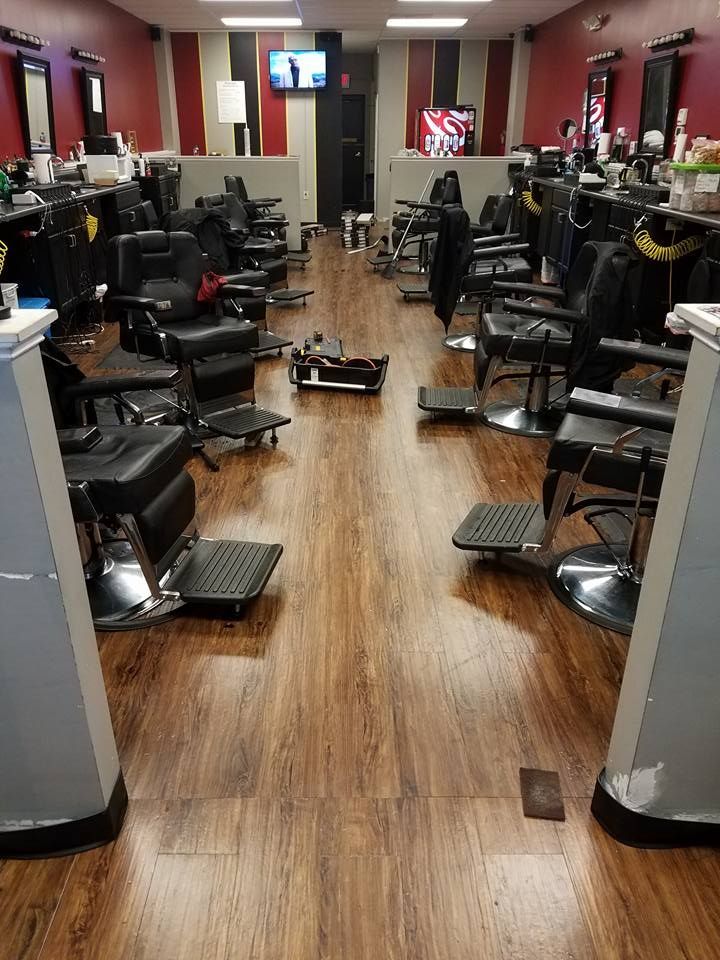
What Changes After New Flooring Is Installed
Once installation is complete, you will see that floorboards run straight without visible cupping or gaps, tile sits flush without edges that catch socks or trip feet, and transitions between rooms use metal or wood thresholds that lie flat against both surfaces. Hardwood floors are sanded and finished on-site if unfinished planks are used, resulting in a uniform appearance without seams between boards. Tile grout is sealed to resist staining, and edges where flooring meets cabinetry or baseboards are caulked to prevent dirt accumulation.
You will notice that laminate and vinyl plank installations allow for slight movement without buckling, that doors clear the new floor height without scraping, and that baseboards are reinstalled tightly against the wall. Hardwood installations in high-traffic areas such as hallways and kitchens hold up better when finished with multiple coats of polyurethane, and tile floors in bathrooms or entryways resist moisture without allowing water to seep into the subfloor. 3 kam construction and remodeling ensures that all seams, transitions, and edges are finished so the floor reads as a continuous surface rather than a collection of individual pieces.
Material selection guidance is provided based on how the room is used, whether pets or children will be present, and how much maintenance you are willing to perform. Engineered hardwood offers more dimensional stability than solid wood in humid climates, porcelain tile resists scratching better than ceramic, and luxury vinyl plank provides a softer feel underfoot than laminate. This work does not include furniture moving, appliance disconnection, or removal of baseboards unless specified during the estimate phase.
Questions About Flooring Materials and Installation
Homeowners often ask about material durability, installation timelines, and how flooring choices affect adjacent rooms. The following clarifies common concerns.
How long does it take to install new flooring in a single room?
Most single-room installations take one to two days, though tile projects require additional time for mortar curing and grout sealing.
What flooring materials hold up best in kitchens and high-traffic areas?
Porcelain tile and luxury vinyl plank resist moisture, scratching, and denting better than hardwood or laminate, making them suitable for areas with frequent spills and heavy use.
When should you replace the subfloor during a flooring project?
If the subfloor shows water damage, feels spongy underfoot, or has sections that have delaminated, replacement is necessary before new flooring is installed.
Why do hardwood floors need time to acclimate before installation?
Wood expands and contracts with changes in humidity, and acclimation allows the material to reach equilibrium with indoor conditions, reducing the risk of gaps or buckling after installation.
What flooring transitions work best between rooms with different materials?
T-moldings, reducers, and threshold strips are used depending on the height difference and whether both sides are hard surfaces or one is carpet, with transitions placed in doorways or natural visual breaks.
If your floors show visible wear, water damage, or no longer match the rest of your home, contact 3 kam construction and remodeling to review material options and schedule your flooring installation in Charlotte.